

What to Look For in a Bunk Bed Price
Bunk beds can be a great solution to save space for children and teens who share bedrooms. Bunk beds can also be useful for those who want an extra guest bed.
The cost of bunk beds depends on the size, style and brand, as well as safety features and materials. It can range from $50 to $4000.
Size
Bunk beds are a great option to free up space in bedrooms that are small. Before you buy, you should measure the space where you plan to put it. This will help you find a bed that is suitable for the space and doesn't take up too much.
Standard bunk beds are 39 inches wide and 70 inches long. Their height ranges between 63 and 66 inches depending on their design. They can also be built with an L-shaped design, where the top bunk is perpendicular to the bottom bunk.
These beds are typically less expensive than other models, however they require more space in the bedroom. You can also purchase bunk beds that have stairs on both sides which makes it more secure for your children to climb up to and from the upper bunk.
Another option is using futon mattresses for the lower bunk. Futon mattresses are typically smaller than regular twin or full size mattresses and are available in a variety of sizes.
The standard twin mattress is the most common kind of mattress for bunk beds. This mattress measures 75 inches long and 38 inches wide. It can be used on both the top as well as the bottom bunk.
If you need a slightly longer mattress, you might want to consider a twin XL mattress. It has the same width as a twin but five extra inches of length, which means it's the same length as a queen or king mattress. This is a good option for adults and teens who require a bit more space in their bedrooms.
Other options include the full bunk bed which is similar to a twin bed, but has an additional 15 inches of extra space on the side. This kind of bunk bed is commonly used by teenagers and college students who share the same room. However, it's not as popular than the other two types.
Materials
Bunk beds can be made from a variety, like wood, metal and plastic. Each type has its own advantages and disadvantages, therefore it's important to consider what features are most important to your family.
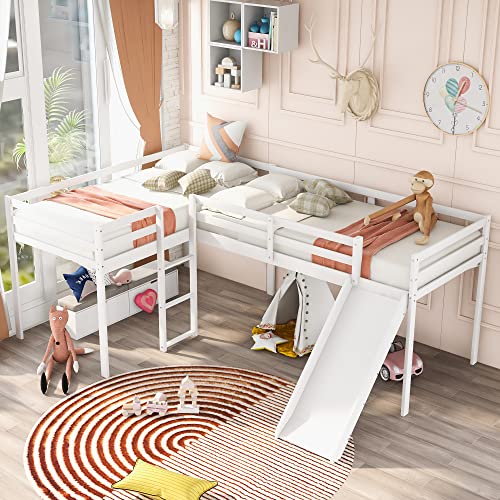
Metal bunk beds are usually more expensive than wooden ones. This is due to the fact that they are often more difficult to build and are prone to rust. They also require more maintenance and might not last longer than their wood counterparts.
Wood bunk beds are more common and can be more versatile in terms individuality and storage. They can be customized in terms color and design, and can be used with any mattress and without the requirement for box springs.
They are also less expensive and are more likely to last longer. This is because they are usually treated with a protective coating to prevent damage from rust.
Furthermore the wooden bunks are typically designed with safety features like guardrails and ladders. These features prevent children from falling off the top tier while asleep and can also help them climb up and down quickly.
In terms of strength, bunk frames made of metal tend to be stronger than their wooden counterparts. They use square tubing which is stronger than angle iron and straps. They also have a greater ability to resist twisting or stretching than round tubing.
One of the advantages of bunk beds constructed with Kee Klamp fittings is that the bed can be dissembled once it's no longer needed. This is a great option when your child is looking to change or move the layout of their room.
These fittings can be used in other construction projects. They can be dismantled to clean or repair damaged parts.
When it comes to the price of a bunk bed it's based on the materials it is constructed of and the size of the bed. A good bunk bed could cost from a few hundreds to several thousand dollars. It's crucial to have an idea of your budget before you begin shopping.
Stairs or Ladders
If you're thinking of adding stairs or a ladder to your bunk bed, there are a few things you should keep in mind. You should first consider your child's capacity to climb stairs or a ladder. Keep in mind also the space available in your child’s room.
If your child is more experienced in this area, they'll be able to safely climb and descend steps or ladders. Children younger than however, must be watched when using these options.
Stairs are more secure than ladders for children because they have more tread and a built-in handrail. They also provide the biggest surface for standing on, reducing the chance of injury if they fall down.
Another benefit of bunk beds with stairs is that they typically come with storage drawers under each stair. This lets you store more clothing and other items for your child, thereby saving space elsewhere in the room.
You can expect to pay a bit more for a bunk bed with stairs than a comparable model without this option. However the benefits are usually worth the cost.
The most important thing to be aware of is that your child shouldn't be allowed to sleep on the top bunk until they reach six years old. It is safer to wait until your child is at the age of readiness rather than risk an accident.
If you have a bed that has stairs, make sure that you apply anti-slip tape to the rungs. This will help prevent injuries from falling down the ladder's metal rungs.
This is a great safety measure that can save your child's life. You can purchase these specially designed ladder rung stickers at any home improvement store, or online.
Be sure to cut your treads for stairways to length using a sander. If your bunk bed is 56" high from the floor to the top bunk, then you'll need 7 treads. One on the ground and six on each side rails of the stairs.
The bottom bunk will include drawers underneath and the top bunk will have the option of a wardrobe or desk that can be opened. This is an excellent option for tweens that need more storage space.
Stores
A bunk bed with an integrated storage unit is a desirable and convenient option for bedrooms with children. It is a great place to keep essential things such as toys, clothes, books and other important items close to hand without taking up the floor space, which could be used for more enjoyable activities like art projects or games.
While a built-in storage unit is a good option the bunk beds also come with a number of other features that can help keep their contents tidy and organized. They can include storage baskets, drawers under the bed, and many more.
Bunk beds that have storage compartments built-in are a neat and organized area to store anything from books to clothes that are out of season or tees. You can choose between many choices, such as simple wooden boxes, or more sophisticated designs that have wheels and metal divisions.
For a more decorative option You can go with an un-mounted book ledge on the wall, which is a great option to make space and still having enough space to display favorite books or art work. This simple shelf attaches the bed frame to a clamping system and measures up to 2.25 inch thick.
This steel drawer by Room & Board won't disintegrate as time passes. It has a large weight capacity that can hold teenagers to toddlers and it can easily roll on casters, making it easy to move.
It is easy to run short of storage space when you have rooms with many children. You can leave important objects scattered throughout the room. This is why an assortment of drawers are a must-have for any kid's room.
Getting organized is among the most effective ways to make your home more livable. If you are short on storage space, a small desk will help keep your child's schoolwork as well as other personal items organized and in order.